Movement is about connection, not perfection
We started Skeldurik because existing online dance platforms felt disconnected from the actual practice. Too many promises about transformation, not enough focus on the technical work and collaborative learning that builds real capability.
Started with a specific problem
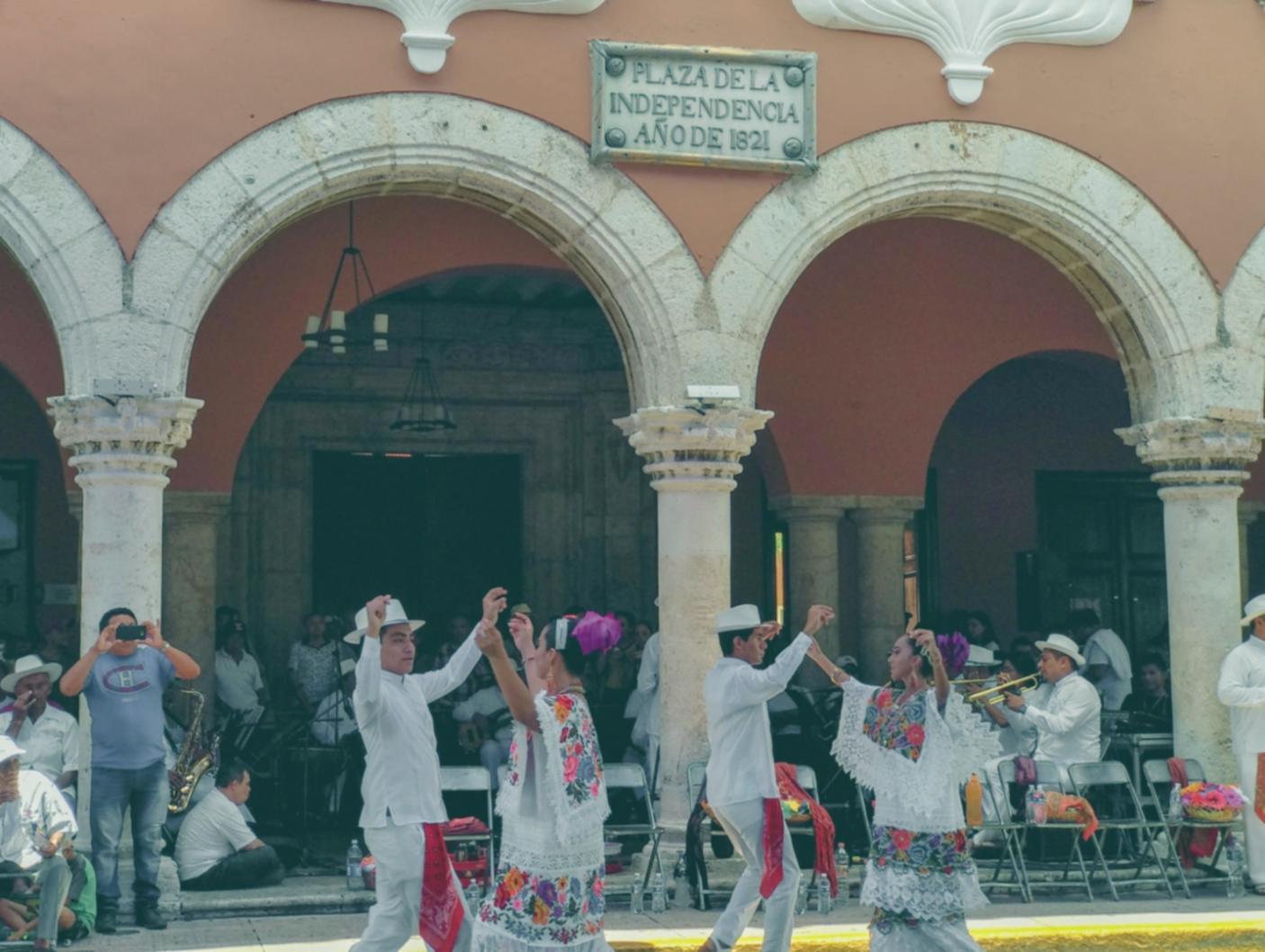
In 2024, a small group of contemporary dance instructors working across Ukraine realized their remote students needed more than video demonstrations. They needed structured practice sequences, immediate feedback loops, and methods to collaborate with peers despite physical distance.
The platform emerged from observing what actually helped people develop movement vocabulary. Not motivational content or generic tutorials, but clear frameworks for experimenting with technique, recording attempts, comparing approaches, and iterating based on specific guidance.
We built it for ourselves first. Then opened it to others facing the same challenges with remote skill development.
What makes our workshops functional
Incremental sequences
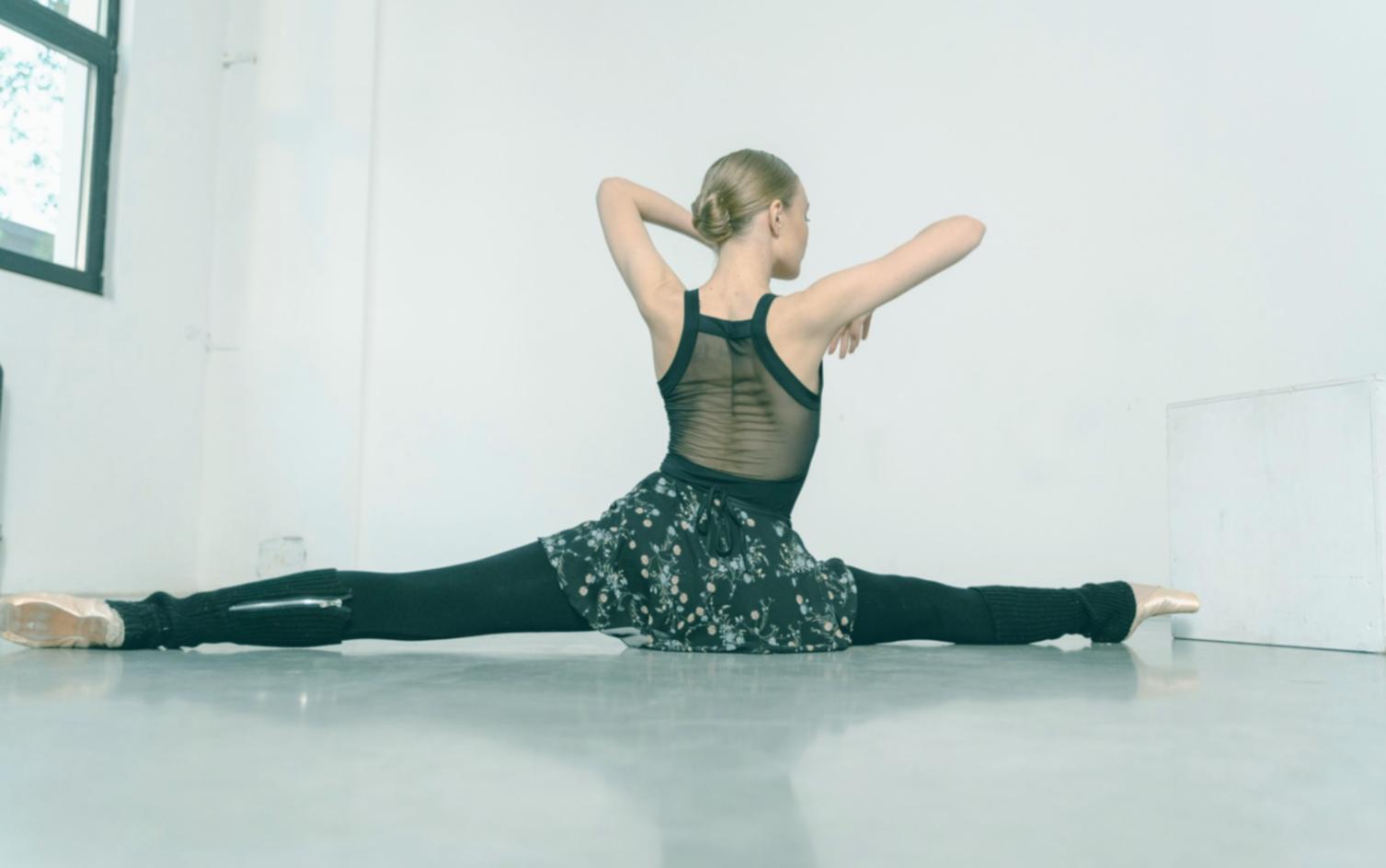
Each workshop breaks complex movements into specific progressions. You work through technical elements in order, building foundation before attempting combinations. No skipping ahead to impressive material you cannot execute properly.
Recorded critique
Submit recordings of your practice attempts. Instructors review your execution and provide timestamped corrections on body alignment, weight distribution, spatial awareness. You see exactly what needs adjustment and why.
Peer comparison
Access anonymized recordings from other participants at your level. Observe how different body types solve the same technical challenges. Learn from variation rather than trying to replicate a single demonstration.
Practice protocols
Detailed warmup routines, conditioning exercises, and cooldown sequences tailored to each workshop focus. Know exactly how to prepare your body for the technical demands of the material.
Structured pacing
Workshops release material on a fixed schedule. Everyone progresses through content at the same rate, creating synchronous cohort experience despite remote participation. Prevents rushing through fundamentals.
Technical discussion
Asynchronous forums focused on solving specific movement problems. Ask about hip rotation mechanics, weight transfer timing, spatial orientation. Get responses from instructors and experienced practitioners.
Development path
Initial platform launch
Three instructors from Odesa collaborated to build the first version. Basic video hosting, assignment submission system, and structured progression framework. Tested with sixteen participants across four workshops.
Feedback integration tools
Added video annotation features allowing instructors to mark specific frames with technical corrections. Participants could compare their recordings against reference material with synchronized playback. Reduced confusion about abstract verbal corrections.
Peer learning systems
Introduced cohort-based viewing where participants could access recordings from others at similar skill levels. Created discussion threads tied to specific movement challenges. Observed significant improvement in problem-solving approaches.
Expanding specialist workshops
Working with guest instructors to develop focused intensives on specific techniques: floor work mechanics, partnering fundamentals, improvisation structures. Each workshop maintains the same progressive framework and feedback systems.
What participants actually gain
The value is not abstract personal growth or artistic awakening. It is concrete technical capability developed through structured repetition, specific correction, and collaborative problem-solving with peers facing identical challenges.
Remote learning creates specific obstacles for movement practice. You cannot feel an instructor adjust your position. You cannot observe subtle details by standing close to a demonstration. You lack immediate correction when attempting new material.
Our platform addresses these limitations through design choices focused on feedback density, peer observation, and progressive skill building. The result is slower than in-person training but more thorough in developing independent practice habits.
Technical precision
Frame-by-frame video review catches alignment errors you cannot perceive while moving. Builds awareness of body position in space.
Problem-solving capacity
Exposure to how different bodies solve identical technical challenges. Learn adaptation strategies rather than single correct form.
Practice discipline
Structured progression prevents scattered exploration. Builds systematic approach to skill acquisition applicable beyond dance.